
Amami mud dyeing
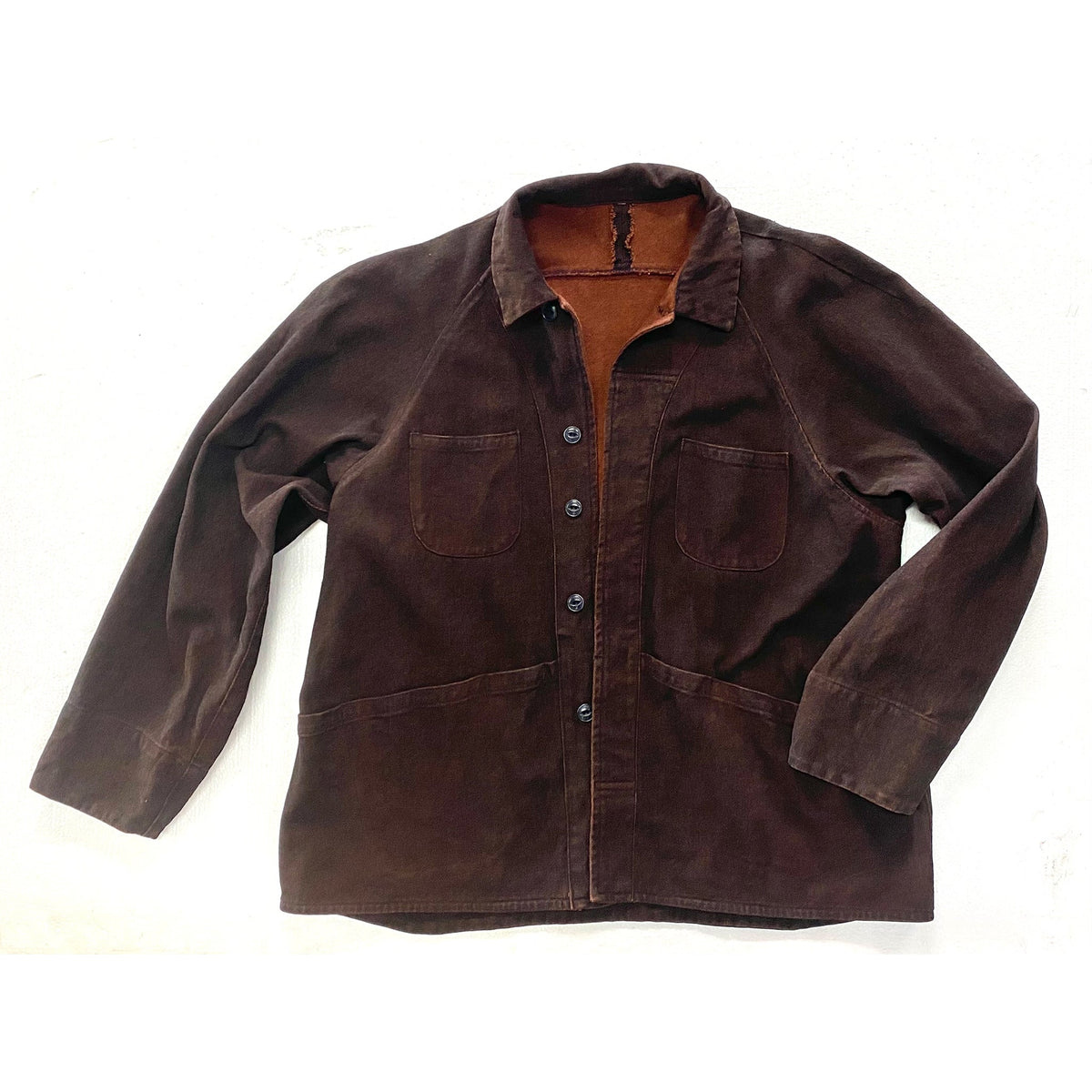
Deep black, dyed by the island's trees and mud
Mud dyeing is a natural dyeing technique traditional to Amami Oshima. Known as the process that creates the deep black-brown hue of authentic Oshima Tsumugi, it involves repeatedly dyeing threads and fabrics with techi-gi (Indian hawthorn) and then dipping them in the mud of rice paddies to layer the color. Oshima Tsumugi created using mud dyeing was designated as a traditional national craft in 1975.
The chemical reaction between techi-gi and mud
Boiling techi-gi chips for a long time produces a tannin-rich, wine-red dyeing liquid. When fabric is dyed in this liquid, it turns a reddish brown; when subsequently placed in a mud paddy, the iron in the mud reacts with the tannins, gradually turning the color to black.
To dye Oshima Tsumugi threads jet black, the process of dyeing with techi-gi is repeated dozens of times, with mud dyeing sessions interspersed throughout. Determining the concentration of the dye and the level of saturation is a task that relies on the artisan's experience, as they judge the process by the froth and the feel of the material.
Color variations

Dyeing with techi-gi alone results in a reddish brown, while layering with mud creates a sophisticated black. Dyeing with indigo before mud dyeing produces a bluish hue known as "ai-doro" (indigo-mud).
Enjoying mud-dyed clothing

With natural dyeing, the color appearance varies for each piece. Part of the pleasure is seeing the texture evolve the more you wear and wash the item. Please be aware that acids, such as citrus juice, may cause the color to change.
At Japan Satsuma, we carry clothing and accessories made from denim, linen, and cotton that have been mud-dyed.
ACCESS
基本情報・アクセス
MORE
Specialty productの記事をもっと見る


GUIDE
鹿児島を知る
ここを巡るなら、ガイド付きの旅プランもあります。
鹿児島の旅プランを見る